If you manage a production line, oversee a service department, or run a tight‑budget business, you know that every dollar saved must still support the quality benchmarks your customers expect. This guide shows exactly how to Reduce Operating Costs Without Hurting Quality, using lean principles and clear KPIs to keep performance visible.
Follow a numbered, action‑oriented framework that delivers concrete savings, highlights typical mistakes that waste effort, and includes verification steps so you can confirm each change improves efficiency while preserving the standards that matter.
Assess Current Cost Structure and Quality Benchmarks
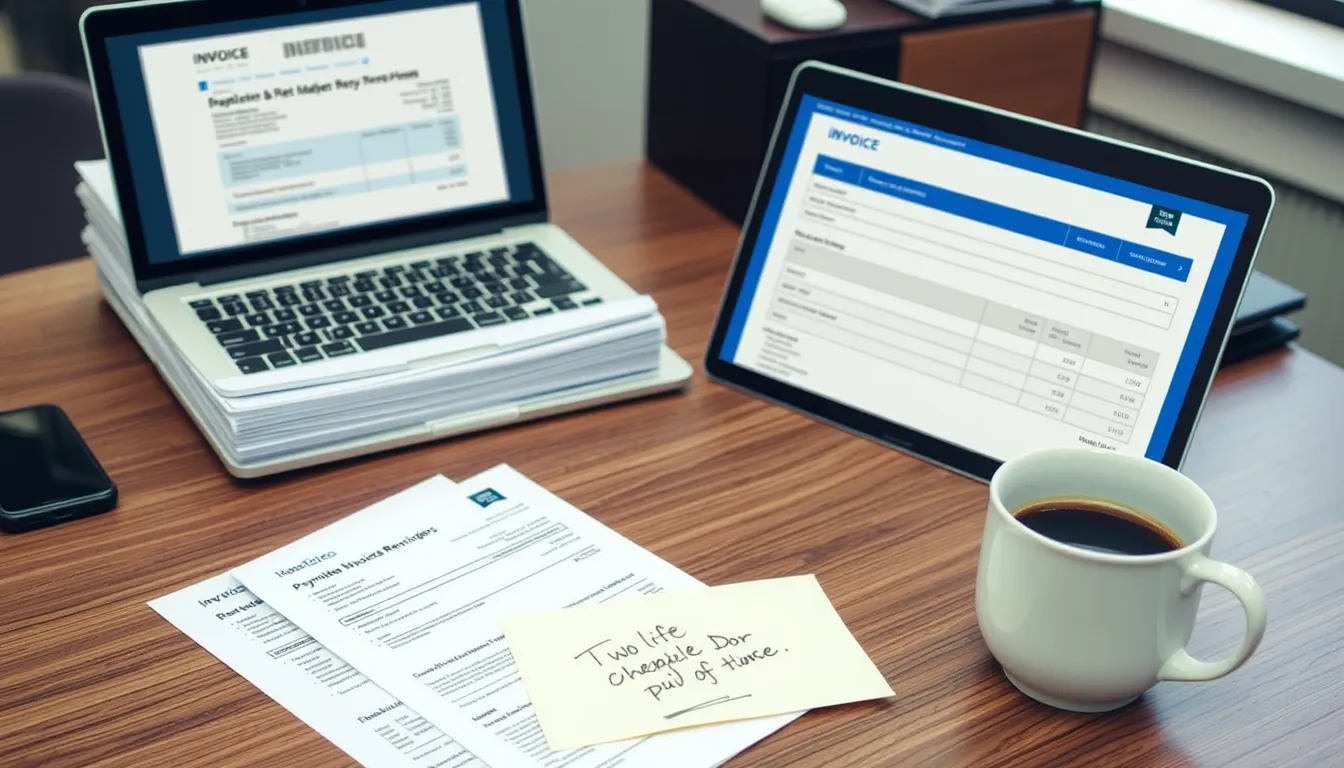
Begin by creating a complete map of your operating costs. List every expense line—materials, labor, utilities, maintenance, software licenses, and overhead items such as rent or insurance. Use a simple spreadsheet or a budgeting tool to assign each line to a cost‑driver category (e.g., volume‑based, time‑based, or transaction‑based). This cost‑driver analysis reveals which categories move most quickly with production changes and where early savings can be found.
Next, pull the most recent three months of financial statements. Extract the actual spend for each category and calculate the average monthly amount. Compare these figures against your budgeted targets to spot variances. Highlight any spikes that lack a clear business reason; they often indicate hidden waste.
Finally, define the quality benchmarks that must stay intact. Draft a quality scorecard that lists the critical performance attributes your customers expect—defect rate, delivery timeliness, service response time, etc. Assign a target value to each attribute and link it to a key performance indicator (KPI). This scorecard becomes the reference point for every cost‑cutting decision.
- Map expenses – produce a cost‑driver matrix; result: visual map of where operating costs originate.
- Collect data – gather recent spend and variance analysis; result: factual baseline for comparison.
- Set quality benchmarks – create a quality scorecard with KPIs; result: clear standards that guard against quality loss.
Common mistake: skipping the variance check and assuming budgeted numbers are accurate often leads to cuts that erode the very quality benchmarks you need to protect.
Identify Low‑Impact Savings Opportunities
Now that you have a factual baseline and a quality scorecard, focus on expenses that rarely touch your quality benchmarks.
- Audit recurring subscriptions. List every software, service, or membership billed in the last 12 months and cancel any that duplicate functionality or show low utilization. Result: immediate reduction in operating costs without affecting production or service quality.
- Check inventory turnover. Identify items that sit beyond the target days‑on‑hand defined in your KPIs. Reduce reorder quantities or negotiate consignment terms. Result: lower holding costs while maintaining the stock needed to meet quality standards.
- Review travel and expense policies. Compare actual travel spend against the policy limits you set. Tighten approvals for non‑essential trips and encourage virtual meetings. Result: fewer discretionary expenses, no impact on product or service quality.
- Consolidate vendor contracts. Spot vendors providing overlapping goods or services and combine orders to leverage volume discounts. Result: lower unit costs while preserving the same material specifications.
Common mistake: cutting “nice‑to‑have” items without confirming they aren’t tied to a hidden quality metric. Always cross‑reference each saving with the quality scorecard before finalizing the cut.
Optimize Processes with Lean Principles
Applying Lean principles gives you a repeatable framework for cutting operating costs while keeping quality benchmarks intact. Follow these four actions to turn process optimization into measurable savings.
- Map the value stream. Gather a cross‑functional team, sketch each step from request to delivery, and tag cycle time and hand‑offs. Result: you see hidden delays and can set baseline KPIs for future improvement.
- Eliminate waste. Use the seven classic waste categories (overproduction, waiting, transport, extra processing, inventory, motion, defects) to flag non‑value‑adding activities. Remove or redesign them. Result: shorter cycles lower operating costs without compromising the quality metrics you track.
- Standardize the work. Document the best‑practice sequence, include visual controls, and train all operators on the new routine. Result: consistent output meets quality benchmarks and reduces rework‑related expenses.
- Involve staff in continuous improvement. Set up regular Kaizen huddles, empower employees to suggest tweaks, and tie suggestions to KPI targets. Result: ongoing refinements sustain cost reductions and keep quality stable.
Common mistake: treating the value‑stream map as a one‑time exercise. Without periodic reviews, waste can creep back in, eroding the gains you achieved while you try to “How to Reduce Operating Costs Without Hurting Quality.” Schedule quarterly refreshes to keep the process lean and the quality benchmarks solid.
Leverage Technology for Efficiency Gains
Building on the quarterly reviews, the next lever for How to Reduce Operating Costs Without Hurting Quality is technology. The right tools can automate repetitive tasks, provide real‑time data, and free staff to focus on value‑adding work while keeping quality benchmarks intact.
- Select a solution aligned with lean principles. Identify automation, cloud, or analytics platforms that directly address a bottleneck uncovered in your value‑stream map. Result: Clear link between the tool and a specific waste reduction target.
- Estimate ROI before purchase. Model expected operating‑cost savings against the subscription or licensing fee, and map the impact on key performance indicators (KPIs) such as cycle time and defect rate. Result: Financial justification that includes a quality safeguard.
- Run a limited‑scope pilot. Deploy the technology in one department or process, track the same KPIs, and compare performance to baseline. Result: Evidence of cost reduction and quality maintenance without committing full resources.
- Train users on both the tool and quality standards. Provide hands‑on sessions that emphasize how to monitor quality benchmarks while using the new system. Result: Faster adoption and fewer errors that could erode quality.
- Scale after successful pilot. Roll out to additional areas, embed the tool into standard operating procedures, and update KPI dashboards to reflect the new baseline. Result: Organization‑wide efficiency gains with continuous quality oversight.
Common mistake: Choosing technology solely on price or hype, then neglecting integration testing and staff training. The result is hidden rework that inflates operating costs and compromises quality benchmarks.
Monitor Results and Adjust Without Compromising Quality
By creating a continuous loop of measurement, review, and adjustment, you keep operating costs in check while safeguarding quality benchmarks.
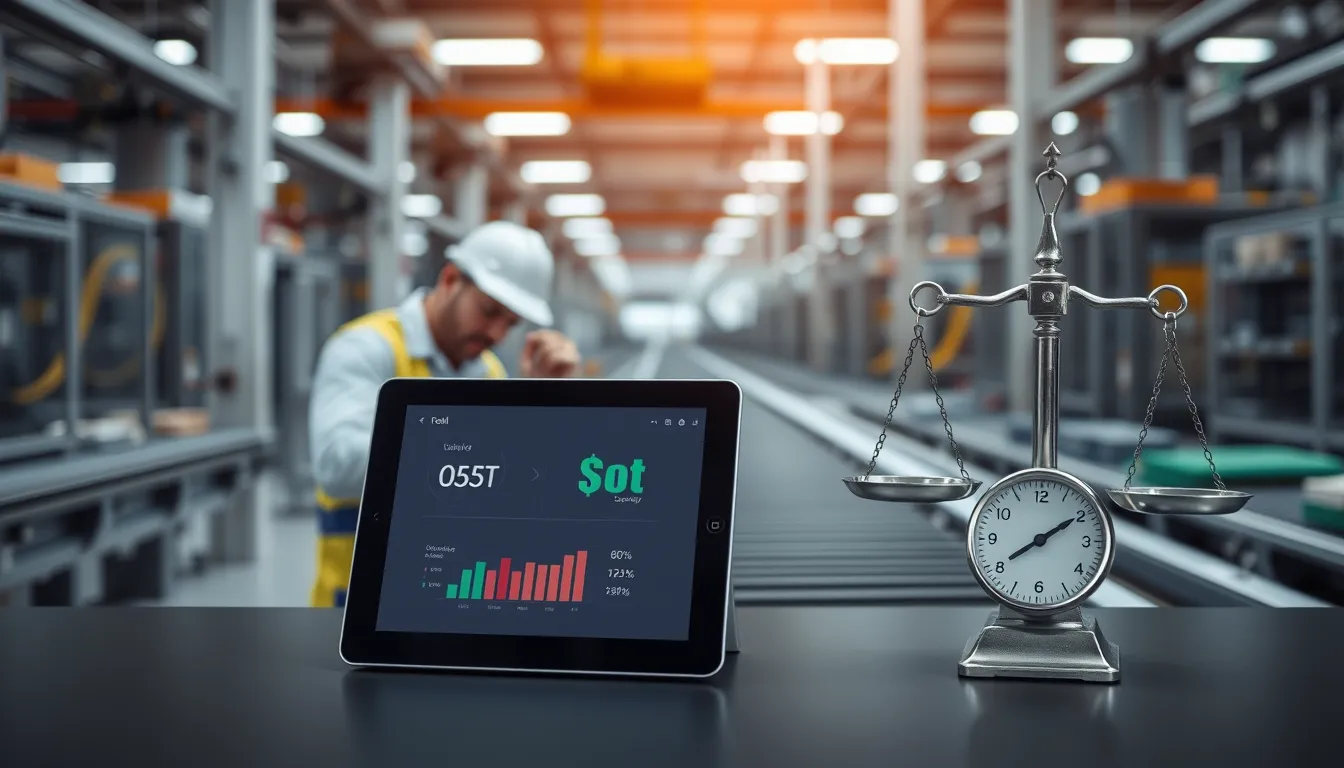
- Define a KPI dashboard that ties cost metrics to quality outcomes. Include indicators such as cost per unit, defect rate, and on‑time delivery. Result: Real‑time visibility of how savings actions affect quality.
- Schedule short, focused quality audits every two weeks. Use a lean‑principles checklist to verify that process optimization changes still meet the established quality benchmarks. Result: Early detection of drift before it escalates.
- Gather frontline feedback through a structured loop. Conduct brief huddles or digital surveys after each shift to capture practical insights on the new cost measures. Result: Ground‑level data that informs fine‑tuning.
- Adjust cost levers based on KPI trends and audit findings. If a cost‑cutting tweak raises defect rates, scale back or redesign the change while preserving the overall savings target. Result: Balanced reductions that do not compromise quality.
- Document every adjustment and its impact. Update the KPI dashboard and audit records to create a traceable history of decisions. Result: A reliable knowledge base for future process optimization.
Common mistake: Treating the dashboard as a one‑time report and ignoring regular audits. Without ongoing checks, hidden quality gaps can erode customer trust and ultimately increase operating costs.